No products in the cart.

Free Shipping
For orders over 50€
Fast Delivery
Delivery within 48 hours





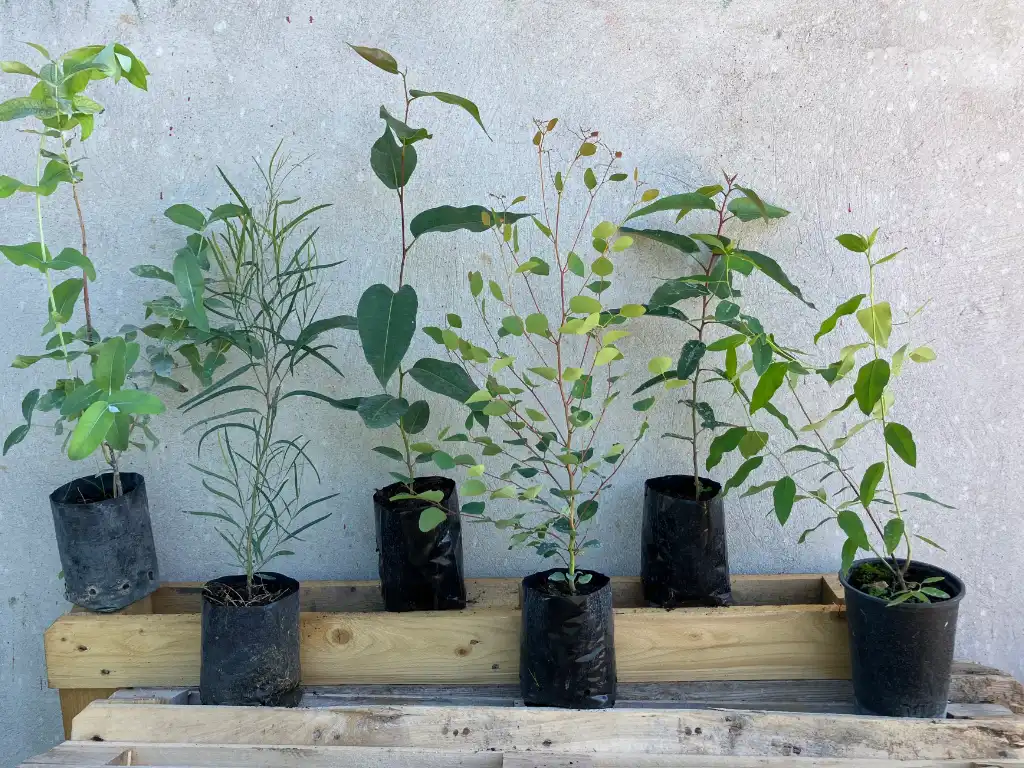

(once called Eucalyptus citriodora), also known as the lemon-scented gum, is the elegant one in the family.
If Globulus is the tough worker and Polybractea is the healer, Citriodora is the refined perfumer.
1. The scent
This is its signature. Rub the leaf and you get a strong, fresh lemon smell. That comes from its high level of citronellal — the compound that gives it that clean, citrus punch.
2. The look
It’s a tall, striking tree. The trunk is smooth, white or slightly pink, almost like polished marble. The leaves are long, slim, and graceful.
3. Natural insect repellent
Thanks to its citronellal content, it’s one of the most effective plants for keeping mosquitoes and other insects away.
In fact, lemon eucalyptus essential oil is the only plant-based ingredient that many health authorities officially recognize as an effective insect repellent.
It’s not soft.
It’s not delicate.
It’s built for harsh land and tough climates.
The Strength:
Cladocalyx is extremely drought-tolerant once established. Poor soil? Dry weather? Wind? It handles it. This is the tree farmers plant when they need something reliable, not fragile.
The Structure:
It grows tall, straight, and confident. A clean trunk, smooth bark that sheds in patches, and a strong upright crown. It creates a presence in open land.
The Wood:
Hard, dense, and durable. That’s why it’s valued for timber and windbreak planting. It’s practical. No drama.
The Flowers:
Creamy white clusters that attract bees. Quiet beauty — not flashy, but useful.
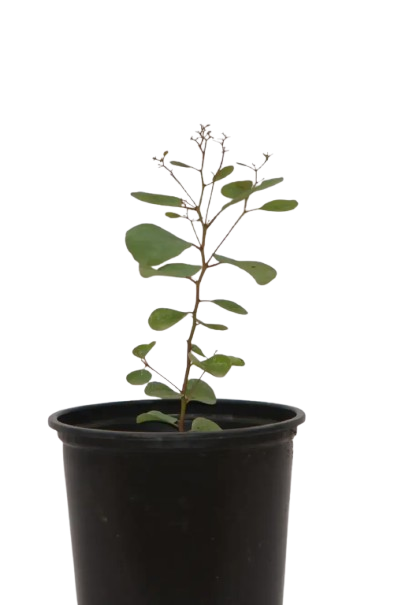

This is the classic eucalyptus. Strong smell. Fast growth. High oil content. It’s the one most people think of when they hear “eucalyptus.”
The Aroma:
Sharp, clean, medicinal scent. Crush the leaves and you instantly recognize it. That strong fragrance comes from its high eucalyptol content.
The Growth:
Very fast growing. It quickly becomes a tall, impressive tree. Good for large areas where you need height and impact.
The Oil:
One of the main sources of eucalyptus essential oil. Widely used in balms, chest rubs, steam inhalation, and natural remedies.
The Look:
Tall, straight trunk with peeling bark in grey and brown tones. Long bluish-green leaves, especially beautiful in younger plants.
Formerly known as Eucalyptus maculata, this tree is better known as Spotted Gum — and once you see the trunk, you’ll understand why.
The Bark:
Its most striking feature. The trunk is smooth with natural patches of grey, cream, and soft brown — almost like it’s painted. It looks premium and decorative.
The Structure:
Tall, straight, and well-shaped. It creates a strong landscape presence without looking rough or wild.
The Wood:
Very hard and durable. Highly valued for timber, flooring, and construction. This is not a weak tree — it’s beautiful and strong.
The Flowers:
Small creamy-white blooms that attract bees and pollinators.


It’s often called Narrow-leaved Peppermint, and it’s known for producing a milder, smoother eucalyptus oil.
The Aroma:
Fresh, clean, slightly sweet — but not overpowering like Globulus.
It still contains eucalyptol, but in a gentler balance.
The Oil:
Highly valued in aromatherapy. Many people prefer Radiata oil for daily use because it feels lighter and less harsh.
The Growth:
Medium to tall tree with narrow green leaves and a natural, slightly relaxed shape.
The Use:
Commonly grown for essential oil production rather than just landscaping.
Its real name is Eucalyptus deglupta, but everyone knows it as Rainbow Eucalyptus — and for one simple reason.
The Bark:
This is the main feature. As the bark peels, it reveals bright green, orange, red, blue, and purple shades. It literally looks painted. No other eucalyptus looks like this.
The Growth:
Fast-growing and very tall in the right climate.
The Climate Requirement (Important):
This is not for dry or cold areas.
Rainbow Eucalyptus prefers warm, humid, tropical climates. If your area is dry or gets frost, it will struggle.


Polybractea is the subtle one.
Its real name is Eucalyptus polybractea, but most people don’t notice it at first — because it’s not flashy like other eucalyptus.
So why does it matter?
The Leaves:
This is the real highlight. Narrow, grey-green leaves packed with strong oil. This tree is actually one of the main sources of eucalyptus oil — very rich and powerful smell.
The Bark:
Nothing dramatic. Rough, dull, and a bit messy. It doesn’t try to impress — it’s built for function, not looks.
The Growth:
Medium-sized, tough, and reliable. It doesn’t shoot up like tropical species, but it holds steady and survives where others fail.
The Climate Requirement (Important):
This is where it wins.
Polybractea handles dry conditions really well. It’s made for low rainfall areas and can tolerate some cold too. But if you put it in very wet or humid climates, it won’t perform at its best.
Simple truth:
Not beautiful, not eye-catching — but extremely useful and built to survive.

 @
@